
Soft Close Toilet Seat: What to Check Before You Choose
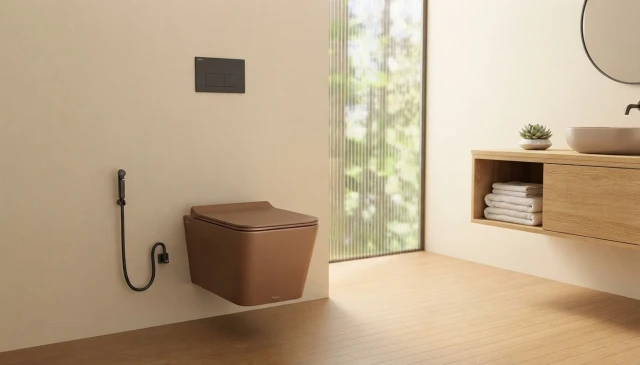
A toilet seat that bangs shut at 2 a.m. is a small problem with an easy fix. A soft close toilet seat uses a damper built into the hinge to lower the seat and lid gently instead of letting them drop under their own weight. It sounds like a minor upgrade, but it changes how bathroom toilets feel to use every day - quieter, safer around kids, and noticeably easier to keep clean near the hinge.
If you're replacing an old seat or fitting out a new bathroom, here's what actually matters before you choose one.
What Is a Soft Close Toilet Seat and How Does the Hinge Work?
A soft close toilet seat looks identical to a standard one from the outside. The difference sits inside the hinge, where a small damper - usually a spring-loaded piston working against oil or air - absorbs the seat's weight as it falls and controls how fast it descends. Instead of dropping in under a second, the seat eases down over roughly 3–5 seconds.
These seats are built for western toilets - the sit-down style used across one piece and wall hung toilet installations - not for Anglo-Indian or squatting pans. Most soft close hinges are sealed units that sit above the rim rather than touching the porcelain, keeping the mechanism out of the splash zone. Quick-release hinges, common on premium seats, let you lift the whole seat off the bolts without tools, which matters more for cleaning than most buyers expect.
Simple rule: If a seat advertises "soft close" but the hinge feels loose or wobbly out of the box, the damper is likely a cheap add-on rather than a built-in mechanism - and it usually fails within a year.
Why It's Worth the Upgrade
Noise. No more late-night bang that wakes the house - the most obvious benefit, and the one most people mention first.
Child safety. A soft close hinge removes the risk of a slammed lid catching small fingers, a common household injury that the damper prevents by design rather than by warning label.
Hygiene. Slow, controlled closing stops the seat bouncing against the bowl rim, which cuts down the micro-gaps where grime collects over time. Many soft close seats also carry an antibacterial surface treatment tested to ISO 22196, the international standard for measuring antibacterial activity on plastic and other non-porous surfaces. It doesn't make a seat sterile, but it does measurably reduce surface bacteria between cleans.
Longevity. Because the damper absorbs the impact, the seat, hinge, and buffers see far less repeated stress than a standard drop-and-slam design - which shows up directly in how long the seat lasts.
Measuring Your Toilet Bowl Before You Choose
This step gets skipped more than it should. A seat needs to match your bowl shape and bolt spacing, not just look right in a photo.
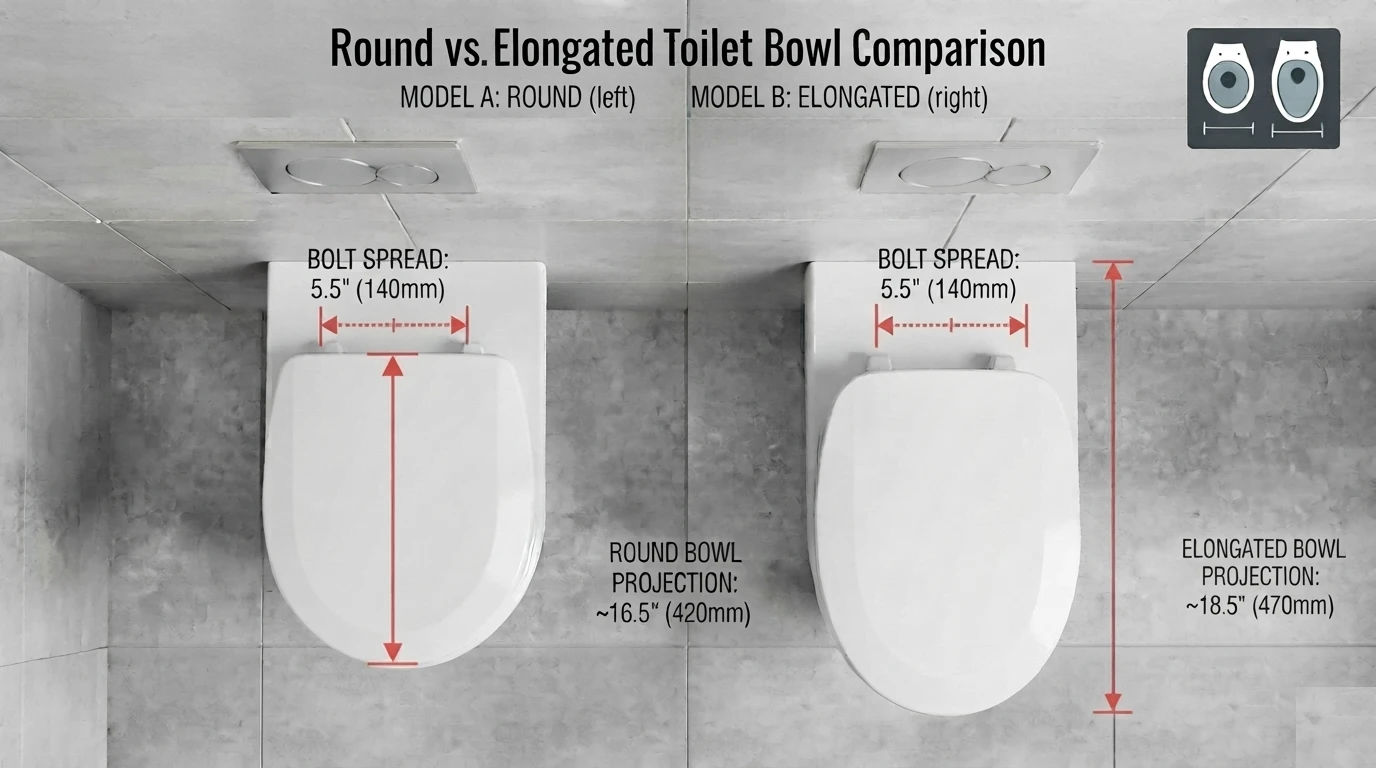
- Bowl shape - round or elongated. Round bowls are common in older or budget installations; elongated is standard on most current one piece and wall hung ranges. The two aren't interchangeable.
- Bolt spacing - the centre-to-centre distance between the two hinge bolt holes at the back of the bowl, typically 140–180 mm (5.5–7 in). This single measurement decides whether a seat physically fits.
- Seat dimensions -IS 2548 (Part 1):1996, the BIS specification for plastic seats and covers for water closets, sets a minimum overall length of 445 mm (17.5 in) and minimum width of 380 mm (15 in) at the widest point. A seat built to this standard fits any bowl built to the matching pan standard, IS 2556.
What to measure, in order:
- Bowl shape - round or elongated
- Bolt centre-to-centre distance
- Bowl height and depth
- Seat opening width, if replacing only the seat
Simple rule: Confirm bolt spacing before finalising a seat online. Mismatched bolt holes are the single most common return reason.
Material Options: PP, Duroplast and Antibacterial Coatings
Two materials dominate bathroom toilets in India.
Polypropylene (PP) is the common budget-to-mid-range option - chemically resistant, lightweight, and reasonably warm to sit on. PP seats flex slightly more under load than duroplast, and quality varies a fair bit between manufacturers.
Duroplast is a thermoset compound, moulded and then cured so it doesn't soften or reshape once set. Manufacturers building to IS 2548 (Part 1) use phenolic or urea-formaldehyde thermoset materials for this category, tested to a strength requirement of 1,150 N applied for 30 minutes without permanent distortion. In practice that makes duroplast seats harder, more scratch- and stain-resistant, and less prone to flexing over years of daily use.
Antibacterial coatings are now common on both materials, usually built into the resin rather than sprayed on afterward, so protection doesn't wear off with cleaning. As above, look for a coating tested against ISO 22196 rather than a bare "antibacterial" label with nothing behind it.
Installing or Replacing a Soft Close Seat: A DIY Guide
Most soft close seats install in under 15 minutes, no plumber needed.
- Remove the old seat. Most hinges have a release clip or cap - lift it, and the bolt slides out from underneath the bowl.
- Clean the mounting surface. Old rubber washers and mineral buildup around the bolt holes stop a new seat sitting flat.
- Position the new hinge posts over the bolt holes and hand-tighten the nuts from underneath.
- Check the seat sits centred and level before fully tightening - an off-centre seat rubs against the bowl and wears unevenly.
- Test the close action a few times. It should lower smoothly, with no catch or sudden drop in the last few centimetres.
Replacing the seat on a wall hung toilet as part of a bigger fit-out follows the same bolt-spacing and bowl-shape checks - see our wall hung vs one piece toilet comparison for how the two setups differ.
Common Mistakes to Avoid
- Choosing by bowl shape alone. Round vs elongated matters, but bolt spacing decides the actual fit.
- Ignoring the hinge material. A soft close mechanism on a cheap plastic hinge fails faster than the seat itself.
- Over-tightening on install. Both PP and duroplast can crack under excess torque - hand-tight plus a quarter turn is usually enough.
- Assuming every soft close hinge is the same. Cheaper mechanisms use a single spring; better ones use a sealed hydraulic or dual-damper system rated for tens of thousands of cycles.
Kerovit Soft Close Seat Options
Kerovit's Klassic and Aurum toilet ranges pair soft close seats with rimless flushing technology across one piece and wall hung models, part of Kerovit's wider sanitaryware line-up. Klassic keeps to clean, timeless proportions in standard finishes; Aurum carries the same soft close engineering into the PVD colour range, including matte black and gunmetal, for a more premium bathroom.
Which Soft Close Seat Should You Choose?
- Standard PP soft close seat - if you want the noise and safety benefits at the lowest cost, and don't need maximum durability.
- Duroplast soft close seat - if the toilet sees heavy daily use, or you want a scratch- and stain-resistant finish that holds up over years.
- Quick-release soft close seat - if easy, thorough cleaning around the hinge matters most.
Either way, confirm bolt spacing and bowl shape first. Discover Kerovit's soft close options across both collections in the toilet range.
Frequently Asked Questions
Q: Can I fit a soft close seat on any toilet?
A: Only if the bolt spacing and bowl shape match. The hinge mechanism itself is largely universal, but the seat body isn't - always measure first.
Q: Do soft close seats need any maintenance?
A: Very little. Wipe the hinge area during regular cleaning and skip harsh abrasive cleaners on the damper housing, which can affect how smoothly it operates over time.
Q: How long does a soft close hinge last?
A: Quality hinges are typically rated for tens of thousands of open-close cycles - years of normal household use - though this varies by mechanism quality.
Q: Is duroplast worth the extra cost over PP?
A: For a heavily used bathroom, yes - it resists scratching and staining better over time. For a guest or secondary bathroom, standard PP is usually enough.
Q: Does a soft close seat reduce bacteria on its own?
A: No. The closing mechanism and the antibacterial treatment are separate features - look for both if hygiene is the priority.
Final Word
The soft close mechanism gets most of the attention, but fit is what actually decides whether a new seat works in your bathroom. Measure the bolt spacing and bowl shape first, then choose the material that matches how the toilet actually gets used. Get those two things right, and the upgrade - quieter, safer, easier to keep clean - pays off from the first use.